Introduction
We are UCI CanSat, a vibrant and enthusiastic student engineering team from the University of California, Irvine (UCI). Our team is composed of a diverse blend of passionate students unified under one mission: to excel in the International CanSat competition. This annual student design-build-launch event, spearheaded by the American Astronautical Society (AAS), provides an opportunity for us to experience the entire development cycle of a complex engineering project – from conceptual design through integration and testing, to real-world operation and post-mission summary. Last year, we placed 9th in the World , and 3rd in the United States out of over 100 participating teams.

Professor Rangel
Primary Faculty Advisor
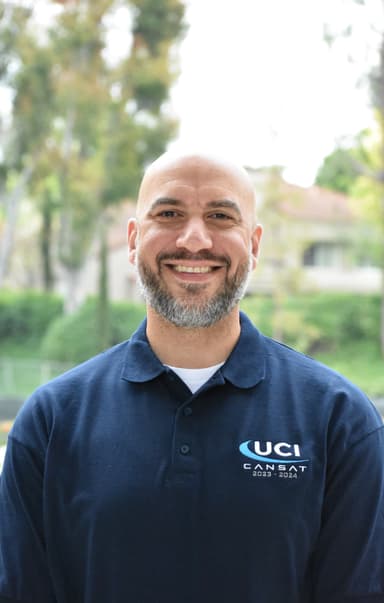
Professor Hassaan
Faculty Co-Advisor
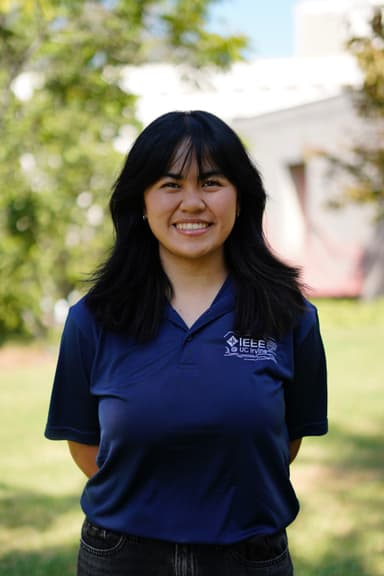
Carolynn Nguyen
Team Lead
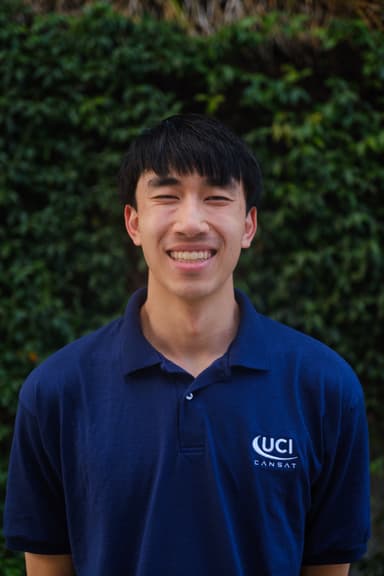
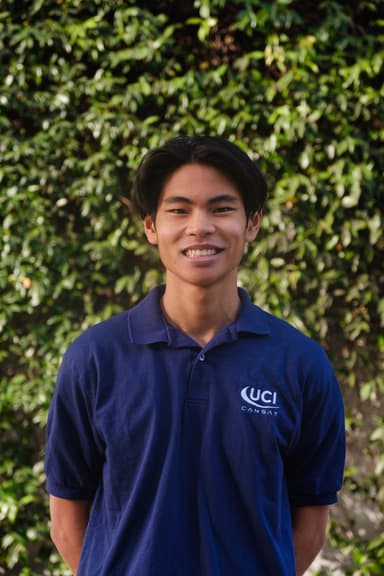
Timothy Yee
Electrical Lead
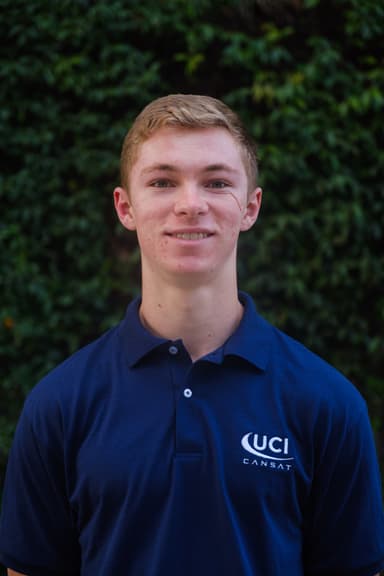
Andrei Darjuan
Mechanical Lead
Brady Cason
Lead Software Engineer
Management
Overview
The UCI CanSat team is a prominent representation of the University of California, Irvine's commitment to pushing the boundaries of student-led engineering projects. Comprised of a dedicated and dynamic group of students, the team participates in the CanSat competition to hone their engineering skills. The competition not only offers an avenue to apply theoretical knowledge but also propels UCI's engineering students into real-world scenarios that mimic the challenges faced by professionals in the industry.
Competition History
9th in the World
2024 - 2025
4th in the World
2023 - 2024
14th in the World
2022 - 2023
29th in the World
2021 - 2022
7th in the World
2020 - 2021
23rd in the World
2019 - 2020
45th in the World
2018 - 2019
History
UCI AntSat was founded in 2017 by a group of undergraduate students at UC Irvine with the mission to compete in the American Astronautical Society International CanSat Competition.
Founded in the 2017 - 2018 academic year, UCI CanSat is a specialized undergraduate project within the Mechanical and Aerospace Engineering (MAE) department at the University of California, Irvine. We participate in the annual CanSat competition, a global engineering challenge to design, build, and launch a space-type system. Each year brings a new mission; for 2022 - 2023, our focus is to create a probe that will be deployed at an altitude of approximately 700m, transmit real-time telemetry and execute a controlled landing using a parachute and aerobraking heat shield. Beyond competition goals, we aim to furnish our members with practical engineering skills. Over the course of three academic quarters, our team transitioned from brainstorming to actual launch, offering hands-on experience in engineering design. Last year, under the guidance of our faculty adviser, Professor Roger Rangel, our team of 10 students placed 9th in the world.
Competition Timeline
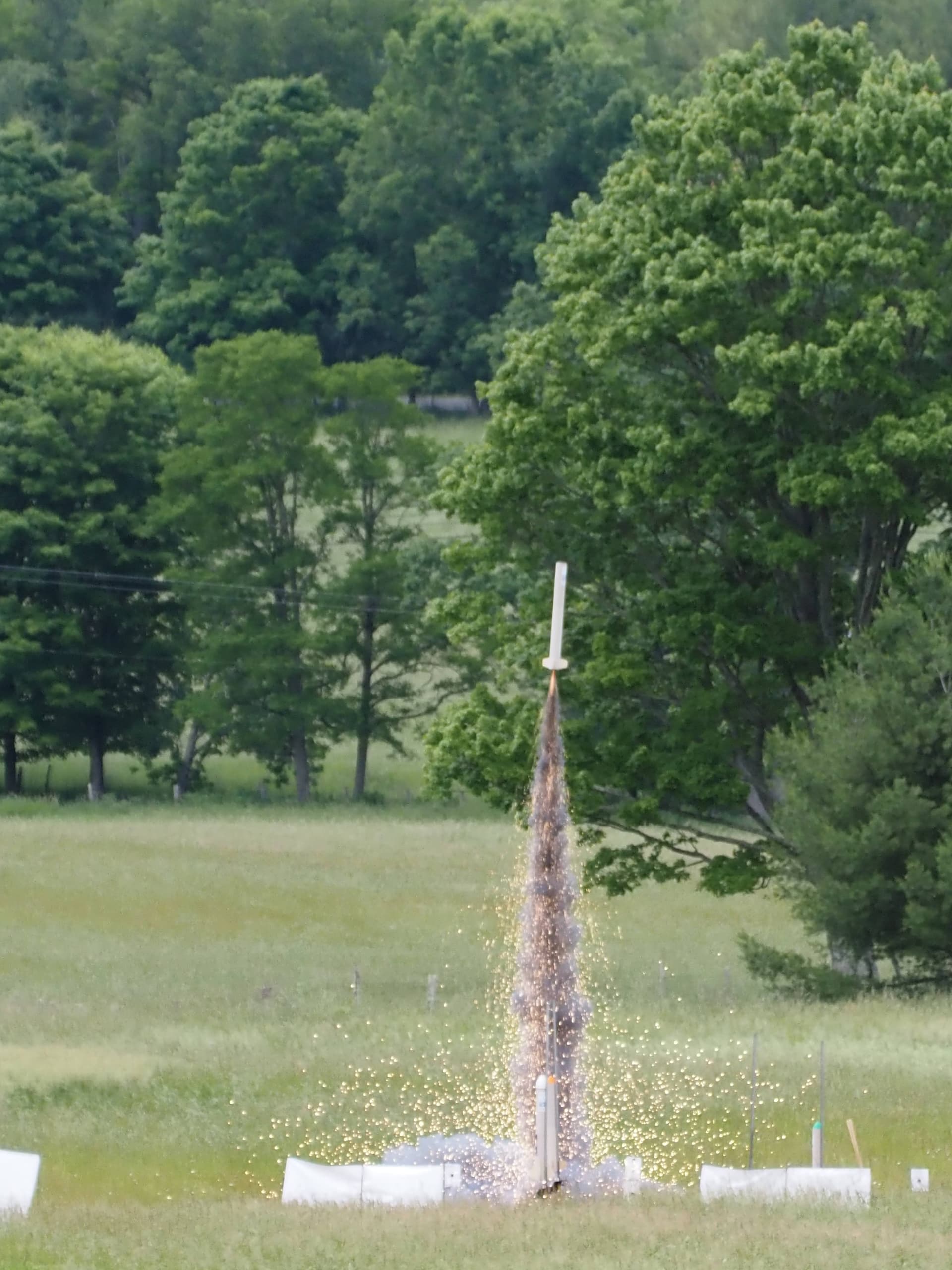
In a span of one year, our team will advance through several key phases to ensure the success of our CanSat project. Our journey begins with meticulous 'Planning' where we establish objectives, allocate resources, and set deadlines. This is followed by the 'Prototype' phase, in which initial designs are created and evaluated. 'Preliminary Design Review (PDR)' and 'Critical Design Review (CDR)' are the next crucial steps, providing in-depth analyses and adjustments to our design. Subsequent to these reviews, we move to 'Testing' rigorously examining the CanSat under simulated conditions. Finally, all systems are 'Go' for the 'Launch' the crowning event that validates our year-long efforts. We will travel to Virginia to compete against teams around the world, trying to determine which CanSat design performs the best.
PLANNING
Trade studies, design drafts, year schedule
PROTOTYPE
Manufacture first prototype, personal tests
PDR
Preliminary Design Review
CDR
Critical Design Review
TEST
Competition Environmental Tests
LAUNCH
Launch Day